

The Great Migration Explained: When and Where to Witness Nature’s Greatest Spectacle
Carol Luckyhouse
Expert Guide & Consultant
Witness One of the Greatest Wildlife Shows on Earth
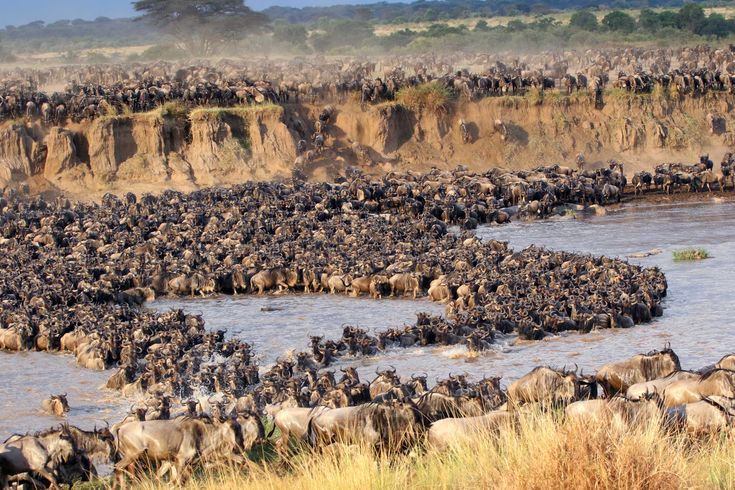
Imagine standing on the banks of a crocodile-filled river as thousands of wildebeest gather nervously at the edge. Suddenly, one leaps into the water, and the rest follow in a thunderous stampede. Dust rises into the air, zebras race alongside the herd, and predators wait patiently for an opportunity. This is The Great Migration—one of the most spectacular natural events on the planet. Every year, more than 1.5 million wildebeest, accompanied by hundreds of thousands of zebras and gazelles, journey across the vast plains of Tanzania's Serengeti and Kenya's Maasai Mara in search of fresh grazing and water. It's a continuous cycle driven by rainfall and survival, making every migration season unique. If witnessing this remarkable phenomenon is on your travel bucket list, this guide explains everything you need to know about the Great Migration, including the best time to visit the Maasai Mara and Serengeti for unforgettable safari experiences.
"The Great Migration isn't simply a journey—it's nature's greatest story of survival."
What Is the Great Migration?
The Great Migration is the largest overland wildlife movement on Earth. Each year, massive herds of wildebeest, accompanied by zebras, Thomson's gazelles, and elands, travel in a circular route spanning nearly 1,800 miles (2,900 kilometers) between Tanzania's Serengeti National Park and Kenya's Maasai Mara National Reserve. Unlike what many people believe, the migration is not a single event. It's an ongoing cycle that never truly ends. The animals move in search of greener pastures after seasonal rains, following an instinct that has guided them for thousands of years. Along the way, they face enormous challenges: Hungry lions stalking the plains Cheetahs chasing young calves Hyenas waiting for weakened animals Massive Nile crocodiles lurking in river crossings Long, exhausting journeys across open grasslands Only the strongest survive, making every stage of the migration both dramatic and inspiring.
Why Is the Great Migration So Famous?
There are many incredible wildlife experiences in Africa, but none compare to the scale of the Great Migration. Picture: Endless plains covered with moving wildlife Thousands of hooves creating thunder across the savannah Predators following the herds Dramatic river crossings filled with suspense Newborn calves taking their first steps It's one of the few remaining wildlife events that still unfolds much as it has for centuries. For photographers, filmmakers, and wildlife enthusiasts, it offers extraordinary opportunities to witness raw, unscripted nature.
"No documentary can truly prepare you for the sound of a million hooves crossing the African plains."
Understanding the Migration Calendar
One of the most common misconceptions is that the migration happens only once a year. In reality, it's a continuous journey influenced by rainfall. Here's what typically happens throughout the year.
January to March – Calving Season (Southern Serengeti)
The migration begins in the southern Serengeti and the Ndutu region. During these months, approximately 500,000 wildebeest calves are born within just a few weeks. This is one of the best times to witness: Baby wildebeest taking their first steps Predator action Cheetahs hunting Lions with young cubs Beautiful green landscapes Although river crossings don't occur during this period, wildlife viewing is exceptional.
April to June – Journey North
As the rains begin to fade, the herds start moving northward through central and western Serengeti. This stage features: Massive moving herds Long migration columns stretching for miles Excellent predator sightings Fewer tourist crowds It's an ideal time for travelers seeking a quieter safari while still experiencing the migration.
July to October – The Famous River Crossings
This is the season most people dream about. By July, many herds reach northern Serengeti and Kenya's Maasai Mara. Here they face the mighty Mara River. River crossings are unpredictable. Sometimes the animals gather for hours before one brave wildebeest makes the first leap. Within seconds, thousands follow. Waiting below are enormous Nile crocodiles, while lions and hyenas patrol nearby. The result is one of nature's most dramatic spectacles. If you're searching for the best time to visit the Maasai Mara, this period is widely considered the peak safari season. Highlights include: Mara River crossings Incredible predator encounters Huge concentrations of wildlife Pleasant weather Excellent photography conditions Because demand is extremely high, accommodations often book many months in advance.
November to December – Return to Tanzania
As seasonal rains begin in southern Tanzania, the herds gradually leave Kenya and head back toward the Serengeti. Although the crowds begin to thin, wildlife viewing remains exceptional. The migration continues, completing another remarkable cycle.
Maasai Mara vs Serengeti: Where Should You Go?
Many travelers wonder whether they should visit Kenya or Tanzania. The truth is, both offer unforgettable experiences. Choose the Maasai Mara if you want: Famous Mara River crossings Exceptional Big Five sightings Shorter travel distances Luxury safari lodges A classic first safari experience The Maasai Mara is particularly popular for travelers visiting East Africa for the first time. Choose the Serengeti if you want: Vast open landscapes The calving season Longer migration viewing opportunities Fewer crowds in certain regions Diverse safari ecosystems Because the Serengeti is much larger than the Maasai Mara, it offers a broader variety of safari experiences throughout the year. For travelers with enough time, combining both destinations creates the ultimate East African safari.
Can You Predict River Crossings?
One of the biggest questions travelers ask is: "Exactly when will the river crossings happen?" The honest answer is—you can't. Wild animals don't follow calendars. Rainfall, grazing conditions, predator activity, and countless natural factors influence when and where herds decide to cross. Some crossings happen in minutes. Others may take hours—or not happen at all. This unpredictability is exactly what makes witnessing one so unforgettable. Experienced safari guides monitor herd movements daily to maximize your chances of being in the right place at the right time.
"Nature follows no schedule, and that's what makes every safari extraordinary."
Tips for Planning Your Great Migration Safari
If witnessing the migration is your dream, planning ahead is essential. Book Early The best safari lodges in the Maasai Mara and Serengeti often sell out 6 to 12 months in advance, especially for travel between July and October. Stay Longer A four- to six-night safari gives you multiple game drives, increasing your chances of witnessing unforgettable wildlife encounters. Trust Your Guide Professional safari guides understand animal behavior, migration patterns, and local conditions far better than any map or itinerary. Their expertise often makes the difference between a good safari and an extraordinary one. Bring the Right Gear Don't forget: Binoculars Camera with zoom lens Extra batteries Neutral-colored clothing Sunscreen Hat Reusable water bottle Comfort and preparation allow you to fully enjoy every game drive.
Beyond the Migration
While the Great Migration is undoubtedly the star attraction, don't overlook everything else East Africa has to offer. During your safari, you may also encounter: Lions resting beneath acacia trees Leopards draped across branches Massive elephant herds Graceful giraffes Rhinos grazing peacefully Hundreds of colorful bird species Cultural visits with the Maasai people Many travelers leave surprised that some of their favorite memories had nothing to do with the migration itself.
Why Book Your Great Migration Safari with Lucky House Tours & Travel?
Timing is everything when planning a migration safari. At Lucky House Tours & Travel, we stay updated on seasonal wildlife movements and work with experienced local guides to design itineraries that maximize your chances of witnessing the migration at its most spectacular. Whether you're looking for a luxury lodge overlooking the Mara River, a fly-in safari to the Serengeti, or a tailor-made adventure across Kenya and Tanzania, our team takes care of every detail—from accommodations and park logistics to transportation and expert-guided game drives. With personalized service, local expertise, and carefully curated safari experiences, we help transform a once-in-a-lifetime dream into an unforgettable reality.
Final Thoughts
The Great Migration is more than a wildlife event—it's one of nature's greatest masterpieces. Every journey tells a story of survival, resilience, and renewal. Whether you're watching thousands of wildebeest brave the Mara River, witnessing newborn calves take their first steps across the Serengeti, or simply soaking in the endless beauty of Africa's landscapes, the experience is unlike anything else on Earth. If you're ready to witness the world's most iconic safari spectacle, Lucky House Tours & Travel is here to help you choose the perfect destination, the ideal travel dates, and an itinerary designed around the moments you'll remember for a lifetime. Your front-row seat to the Great Migration awaits.
Inspired to go?
Our expert consultants are ready to turn this story into your reality. Let's start building your custom itinerary.
Plan Your Trip